
Dr. Foot Reflex Zone Chart
Reflex zones on the feet explained clearly by body area.
Click any zone to learn more about the corresponding body part.

This reflex zone chart was created based on staff feedback to make it easy for clients to understand during their treatment. The chart shows the layout from your own perspective.
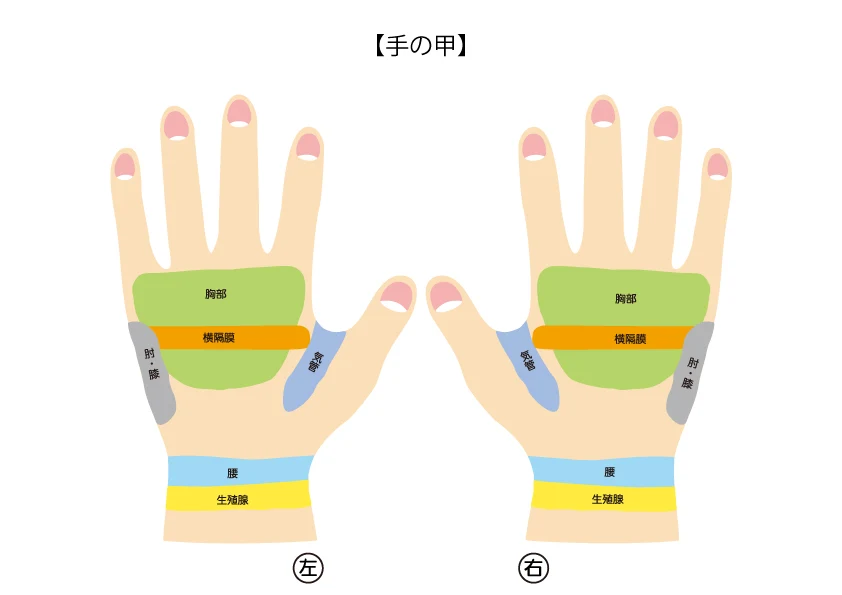
Use the tabs to switch between 6 different reflex charts: soles, top of foot, sides of foot, palms, and back of hands.
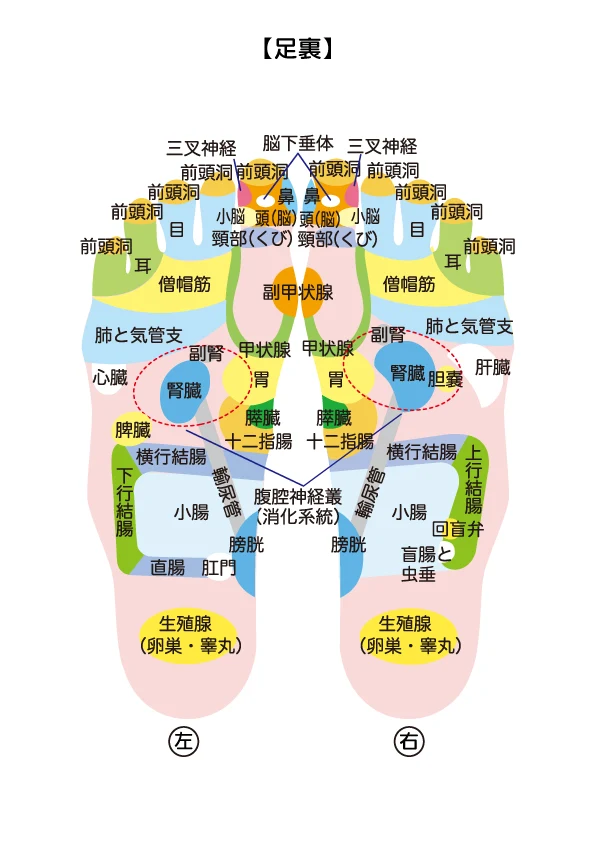 Pituitary Gland
Trigeminal Nerve
Trigeminal Nerve
Frontal Sinus
Frontal Sinus
Frontal Sinus
Frontal Sinus
Frontal Sinus
Frontal Sinus
Frontal Sinus
Frontal Sinus
Frontal Sinus
Frontal Sinus
Nose
Nose
Head (Brain)
Head (Brain)
Brainstem & Cerebellum
Brainstem & Cerebellum
Neck
Neck
Eyes
Eyes
Eyes
Eyes
Ears
Ears
Ears
Ears
Trapezius
Trapezius
Parathyroid Gland
Parathyroid Gland
Lungs & Bronchi
Lungs & Bronchi
Heart
Adrenal Gland
Adrenal Gland
Thyroid Gland
Thyroid Gland
Liver
Gallbladder
Kidneys
Kidneys
Stomach
Stomach
Pancreas
Pancreas
Duodenum
Duodenum
Spleen
Transverse Colon
Transverse Colon
Descending Colon
Ascending Colon
Solar Plexus
Small Intestine
Small Intestine
Ureter
Ureter
Bladder
Bladder
Ileocecal Valve
Cecum & Appendix
Rectum
Anus
Gonads (Ovaries/Testes)
Gonads (Ovaries/Testes)
Pituitary Gland
Pituitary Gland
Trigeminal Nerve
Trigeminal Nerve
Frontal Sinus
Frontal Sinus
Frontal Sinus
Frontal Sinus
Frontal Sinus
Frontal Sinus
Frontal Sinus
Frontal Sinus
Frontal Sinus
Frontal Sinus
Nose
Nose
Head (Brain)
Head (Brain)
Brainstem & Cerebellum
Brainstem & Cerebellum
Neck
Neck
Eyes
Eyes
Eyes
Eyes
Ears
Ears
Ears
Ears
Trapezius
Trapezius
Parathyroid Gland
Parathyroid Gland
Lungs & Bronchi
Lungs & Bronchi
Heart
Adrenal Gland
Adrenal Gland
Thyroid Gland
Thyroid Gland
Liver
Gallbladder
Kidneys
Kidneys
Stomach
Stomach
Pancreas
Pancreas
Duodenum
Duodenum
Spleen
Transverse Colon
Transverse Colon
Descending Colon
Ascending Colon
Solar Plexus
Small Intestine
Small Intestine
Ureter
Ureter
Bladder
Bladder
Ileocecal Valve
Cecum & Appendix
Rectum
Anus
Gonads (Ovaries/Testes)
Gonads (Ovaries/Testes)
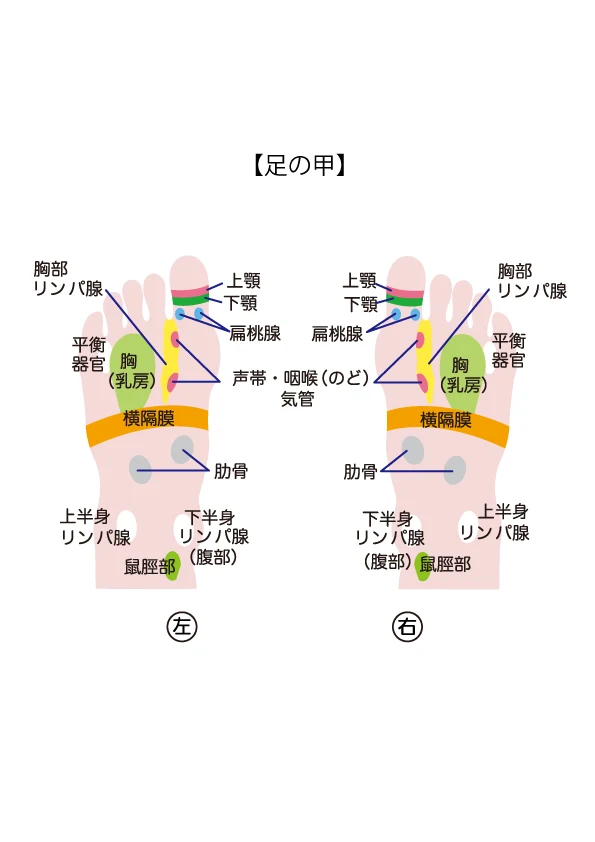 Upper Jaw
Lower Jaw
Lower Jaw
Tonsils
Tonsils
Tonsils
Tonsils
Chest Lymph Nodes
Chest Lymph Nodes
Vestibular Organ
Vestibular Organ
Chest (Breast)
Chest (Breast)
Vocal Cords / Throat / Trachea
Vocal Cords / Throat / Trachea
Vocal Cords / Throat / Trachea
Vocal Cords / Throat / Trachea
Diaphragm
Diaphragm
Ribs
Ribs
Ribs
Ribs
Upper Body Lymph Nodes
Upper Body Lymph Nodes
Lower Body Lymph Nodes (Abdomen)
Lower Body Lymph Nodes (Abdomen)
Inguinal Region
Inguinal Region
Upper Jaw
Upper Jaw
Lower Jaw
Lower Jaw
Tonsils
Tonsils
Tonsils
Tonsils
Chest Lymph Nodes
Chest Lymph Nodes
Vestibular Organ
Vestibular Organ
Chest (Breast)
Chest (Breast)
Vocal Cords / Throat / Trachea
Vocal Cords / Throat / Trachea
Vocal Cords / Throat / Trachea
Vocal Cords / Throat / Trachea
Diaphragm
Diaphragm
Ribs
Ribs
Ribs
Ribs
Upper Body Lymph Nodes
Upper Body Lymph Nodes
Lower Body Lymph Nodes (Abdomen)
Lower Body Lymph Nodes (Abdomen)
Inguinal Region
Inguinal Region
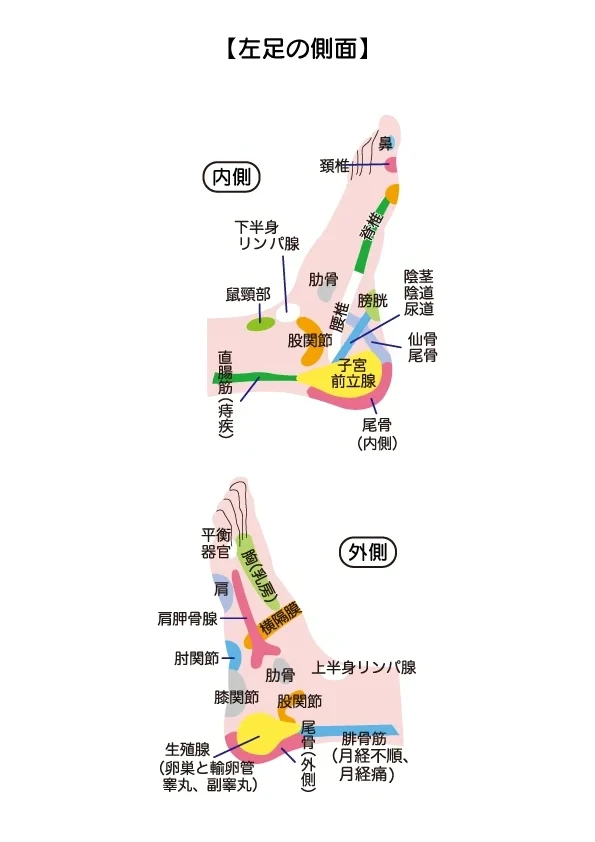 Nose
Cervical Vertebrae
Thoracic Vertebrae
Lumbar Vertebrae
Lower Body Lymph Nodes
Ribs
Inguinal Region
Bladder
Hip Joint
Penis / Vagina / Urethra
Sacrum & Coccyx
Uterus / Prostate
Coccyx (Inner)
Coccyx
Coccyx
Rectus Muscle (Hemorrhoids)
Vestibular Organ
Shoulder
Chest (Breast)
Diaphragm
Scapula & Arm
Elbow Joint
Ribs
Upper Body Lymph Nodes
Knee Joint
Hip Joint
Coccyx (Outer)
Coccyx
Coccyx
Gonads
Peroneal Muscle
Nose
Cervical Vertebrae
Thoracic Vertebrae
Lumbar Vertebrae
Lower Body Lymph Nodes
Ribs
Inguinal Region
Bladder
Hip Joint
Penis / Vagina / Urethra
Sacrum & Coccyx
Uterus / Prostate
Coccyx (Inner)
Coccyx
Coccyx
Rectus Muscle (Hemorrhoids)
Vestibular Organ
Shoulder
Chest (Breast)
Diaphragm
Scapula & Arm
Elbow Joint
Ribs
Upper Body Lymph Nodes
Knee Joint
Hip Joint
Coccyx (Outer)
Coccyx
Coccyx
Gonads
Peroneal Muscle
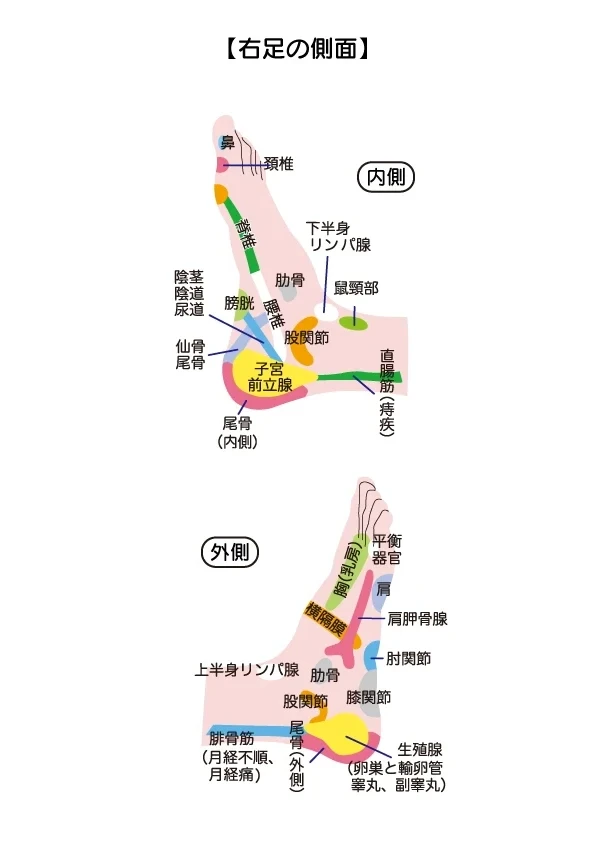 Nose
Cervical Vertebrae
Thoracic Vertebrae
Lumbar Vertebrae
Lower Body Lymph Nodes
Ribs
Inguinal Region
Bladder
Hip Joint
Penis / Vagina / Urethra
Sacrum & Coccyx
Uterus / Prostate
Coccyx (Inner)
Coccyx
Coccyx
Rectus Muscle (Hemorrhoids)
Vestibular Organ
Shoulder
Chest (Breast)
Diaphragm
Scapula & Arm
Elbow Joint
Ribs
Upper Body Lymph Nodes
Knee Joint
Hip Joint
Coccyx (Outer)
Coccyx
Coccyx
Gonads
Peroneal Muscle
Nose
Cervical Vertebrae
Thoracic Vertebrae
Lumbar Vertebrae
Lower Body Lymph Nodes
Ribs
Inguinal Region
Bladder
Hip Joint
Penis / Vagina / Urethra
Sacrum & Coccyx
Uterus / Prostate
Coccyx (Inner)
Coccyx
Coccyx
Rectus Muscle (Hemorrhoids)
Vestibular Organ
Shoulder
Chest (Breast)
Diaphragm
Scapula & Arm
Elbow Joint
Ribs
Upper Body Lymph Nodes
Knee Joint
Hip Joint
Coccyx (Outer)
Coccyx
Coccyx
Gonads
Peroneal Muscle
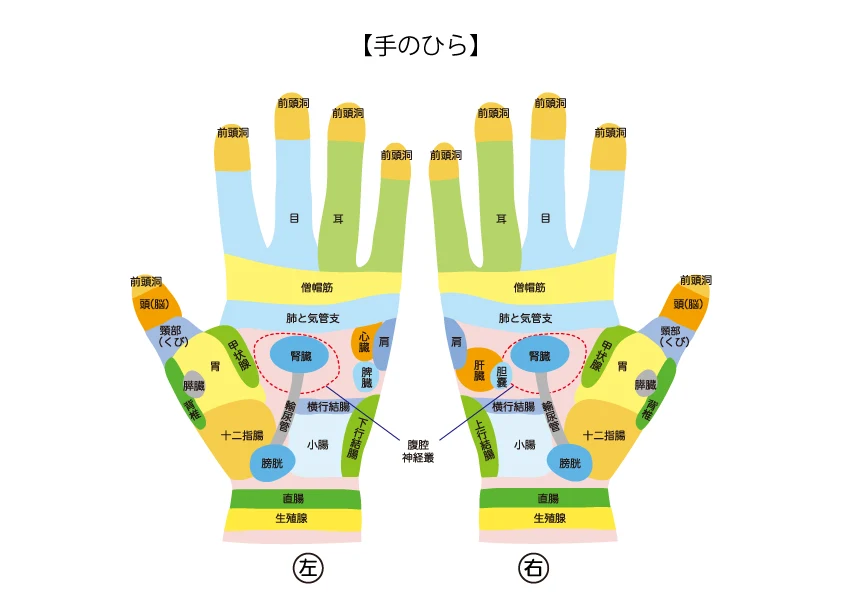 Frontal Sinus
Frontal Sinus
Frontal Sinus
Eyes
Eyes
Ears
Ears
Frontal Sinus
Head (Brain)
Trapezius
Lungs & Bronchi
Shoulder
Neck
Thyroid Gland
Stomach
Spleen
Kidneys
Heart
Pancreas
Thoracic Vertebrae
Ureter
Transverse Colon
Duodenum
Small Intestine
Descending Colon
Bladder
Rectum
Gonads
Frontal Sinus
Frontal Sinus
Frontal Sinus
Frontal Sinus
Eyes
Eyes
Ears
Ears
Frontal Sinus
Head (Brain)
Trapezius
Lungs & Bronchi
Shoulder
Neck
Thyroid Gland
Stomach
Spleen
Kidneys
Liver
Gallbladder
Thoracic Vertebrae
Ureter
Transverse Colon
Duodenum
Small Intestine
Ascending Colon
Bladder
Rectum
Gonads
Solar Plexus
Frontal Sinus
Frontal Sinus
Frontal Sinus
Frontal Sinus
Eyes
Eyes
Ears
Ears
Frontal Sinus
Head (Brain)
Trapezius
Lungs & Bronchi
Shoulder
Neck
Thyroid Gland
Stomach
Spleen
Kidneys
Heart
Pancreas
Thoracic Vertebrae
Ureter
Transverse Colon
Duodenum
Small Intestine
Descending Colon
Bladder
Rectum
Gonads
Frontal Sinus
Frontal Sinus
Frontal Sinus
Frontal Sinus
Eyes
Eyes
Ears
Ears
Frontal Sinus
Head (Brain)
Trapezius
Lungs & Bronchi
Shoulder
Neck
Thyroid Gland
Stomach
Spleen
Kidneys
Liver
Gallbladder
Thoracic Vertebrae
Ureter
Transverse Colon
Duodenum
Small Intestine
Ascending Colon
Bladder
Rectum
Gonads
Solar Plexus
Reflex Zone Directory
Head & Face(14)
Shoulders & Back(5)
Respiratory & Circulatory(8)
Digestive(14)
Urinary & Reproductive(6)
Spine & Joints(10)
Frequently Asked Questions about Reflex Zone Charts
Common questions from our clients about reflexology and reflex zones.
Q. What is a foot reflexology chart?
A reflexology chart is a map showing the "reflex zones" found on the soles, top of foot, palms, and other body areas — zones that correspond to specific internal organs and body parts. In Taiwanese-style reflexology, stimulating these zones with professional techniques is believed to support overall relaxation and wellness.
Q. What is the difference between foot pressure points and reflex zones?
"Foot pressure points" usually refers to specific acupressure points (dots) along Eastern medicine meridians, while "reflex zones" come from Western reflexology and represent areas (zones). Taiwanese-style reflexology incorporates both concepts to work on the body more broadly and precisely.
Q. Why does pressing reflex zones sometimes hurt?
Pain when pressing a reflex zone is believed to indicate fatigue or congestion in the corresponding organ or body part. Pain intensity varies by individual and often eases gradually with continued treatment. At Dr. Foot, our therapists with over 32 years of experience apply pressure tailored to each client's condition.
Q. Is Dr. Foot's reflexology chart based on reliable evidence?
Dr. Foot uses a chart based on over 32 years of clinical experience and the established Taiwanese reflexology system. The World Health Organization (WHO) recognizes reflexology as a form of complementary and alternative medicine, and Taiwan has formalized it as a national qualification.
Q. What is the difference between self-care and professional treatment?
With self-care you can casually press reflex zones using a chart. Professional therapists, however, identify accumulated fatigue through palpation and apply optimal pressure and technique to reach deep tissue. Our therapists have over 32 years of experience and deliver the genuine effects of authentic Taiwanese-style reflexology.
Q. Is it safe to press reflex zones during pregnancy?
Some reflex zones should be avoided during pregnancy. While Dr. Foot has treatment guidelines for pregnant clients, please refrain from self-care without professional advice. Always consult your physician first and consider treatment at a specialized salon.